Snap Specs at $2,195: What Mainstream Reviews Say and Should You Pre-Order?
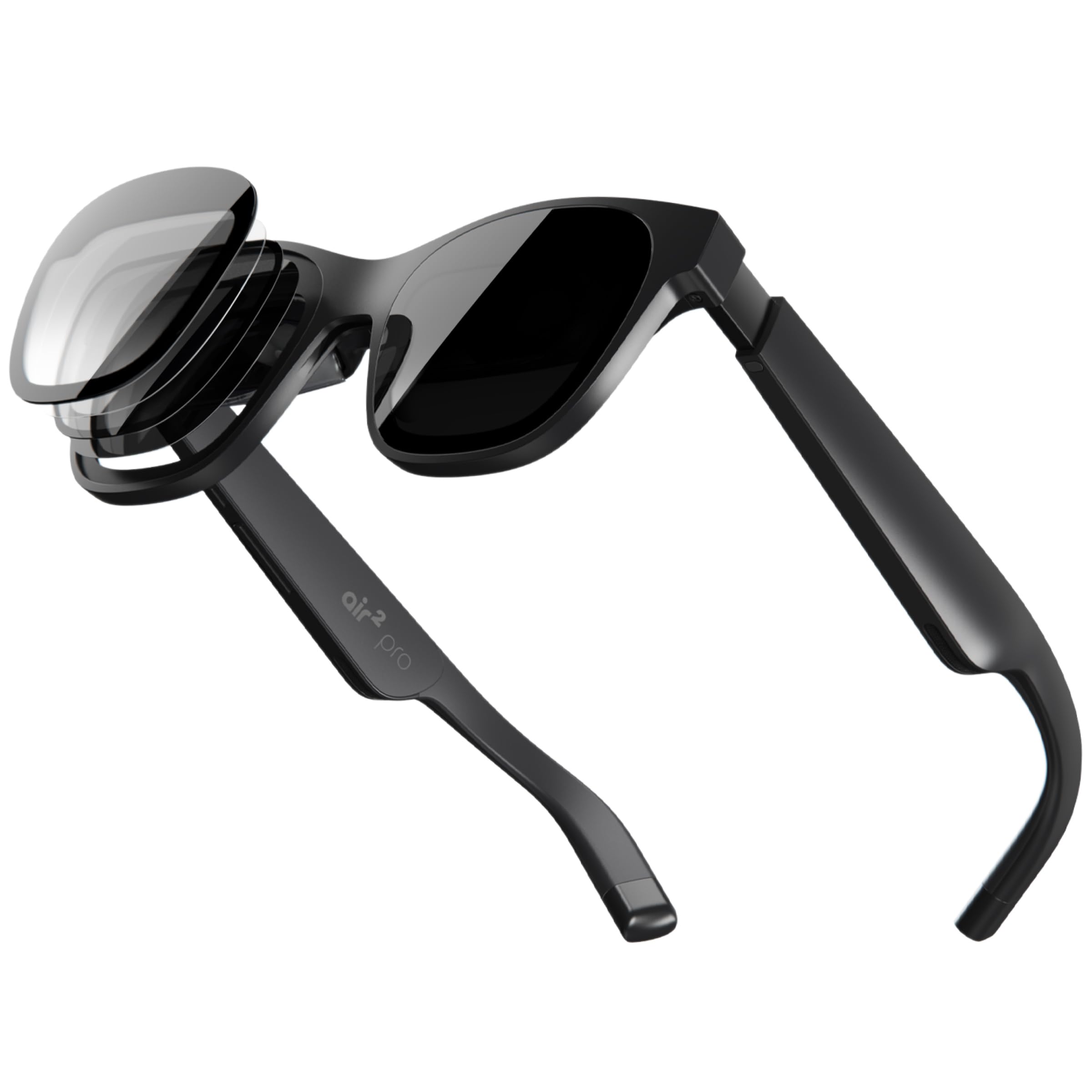
Five days after Snap opened pre-orders for its $2,195 Specs AR glasses, the product has crossed a threshold few tech gadgets reach: mainstream media coverage. NPR ran a feature on June 19 asking "Are Snap's $2,195 smart glasses the next big thing in tech?" — and the answer, like the product itself, is complicated.
Price
$2,195 with a $200 refundable deposit. Ships fall 2026 in the US, UK, and France.
Our Verdict
The deposit is risk-free and secures your place. Worth it for AR enthusiasts. Most buyers should stick with Meta Ray-Ban at $379.
Wait For
Samsung Galaxy Glasses (July 22) at $379–$499 if you want AI glasses, not AR.
Why Is NPR Covering Smart Glasses?
When NPR — not The Verge, not TechCrunch, but National Public Radio — runs a feature about a consumer tech product, it signals a category shift. Smart glasses are no longer a niche interest; they are entering mainstream consumer consciousness. The NPR piece framed Snap Specs alongside efforts from Meta, Apple, and Google as evidence that the tech industry is collectively betting on AR glasses as the post-smartphone computing platform.
This matters for buyers because mainstream attention accelerates everything: developer interest, accessory ecosystems, retail availability, and eventually price competition. The smart glasses market in 2026 is where smartphones were around 2008 — expensive, imperfect, but unmistakably heading somewhere important.
What Do the First Hands-On Reviews Say?
The consumer Specs are a dramatic improvement over the developer version that launched earlier. Key improvements noted by reviewers include a weight reduction from 226g to 132g, the 51-degree field of view (equivalent to a 24-inch monitor), and a fast 7ms motion-to-photon latency that keeps AR overlays stable. The dual Qualcomm Snapdragon chips handle processing smoothly, and the electrochromic tint plus prescription insert support make the glasses practical for daily wear.
The trade-offs are real. At 132g, Specs are still heavier than standard eyeglasses. The 4-hour battery with charge-while-wearing requires carrying the case. And at $2,195 before prescription inserts, this is firmly early-adopter territory. TechCrunch summed it up: impressive technology, but "they aren't cheap."
How Do Snap Specs Compare to Alternatives?
Understanding where Specs sits in the three-tier smart glasses market is essential for making the right buying decision.
Tier 1 — AI Camera Glasses ($300–$500): The Meta Ray-Ban at $379 and upcoming Samsung Galaxy Glasses at $379–$499. These have cameras and AI assistants but no AR display. They are the practical choice for most buyers today.
Tier 2 — Tethered AR Displays ($400–$800): The XREAL One Pro at $599 and XREAL Air 2 Pro at $376 project virtual screens but require a phone for processing. Great for portable entertainment, not standalone AR computing.
Tier 3 — Standalone AR Computers ($1,500+): Snap Specs at $2,195 and the Raven Prism at $1,499 are full AR computers with see-through displays and onboard processing. These are for early adopters and developers building the future of AR.
Should You Pre-Order Snap Specs?
The $200 deposit is fully refundable, so the financial risk is zero. The real question is whether you will want them when they ship this fall. Here is our framework:
Pre-order if: You are a developer building AR experiences, you are an early adopter who wants the most advanced consumer AR glasses available, or you simply want to secure your place in line (you can always cancel).
Skip and buy alternatives if: You want smart glasses for everyday AI assistance (get the Meta Ray-Ban at $379), you want a virtual screen for entertainment (get the XREAL One Pro at $599), or you are waiting for the Samsung Galaxy Glasses launching July 22 at $379–$499.
What Comes After Specs?
The competitive landscape is heating up fast. Samsung's Galaxy Glasses launch July 22 with Android XR and Google Gemini integration. Meta reportedly has four new smart glasses planned for 2026. Google is partnering with Warby Parker and Gentle Monster for Android XR glasses in fall 2026. And Apple continues developing its own smart glasses, though consumer launch is likely 2027 or later.
This competition is good news for buyers. Within 12 months, the smart glasses market will offer more choices across all three tiers than it ever has. If Snap Specs feels too expensive or too early, the alternatives arriving later in 2026 and 2027 will be worth the wait. Browse all options in our smart glasses guide and the compare hub.
Related Articles
Smart Glasses FAQ
Common questions about Snap Specs pre-order
Quick answers to help you decide whether to pre-order Snap Specs or buy alternative smart glasses now.
Is the Snap Specs $200 deposit refundable?
Yes. The $200 pre-order deposit is fully refundable at any time before your Specs ship. You can cancel your pre-order for a full refund with no risk.
When do Snap Specs ship?
Snap Specs are expected to ship in fall 2026, likely September to November. Pre-orders are open now with a $200 refundable deposit. Launch markets are the US, UK, and France.
Are Snap Specs better than Meta Ray-Ban smart glasses?
They are fundamentally different products. Snap Specs are true AR glasses with holographic overlays at $2,195. Meta Ray-Ban are AI camera glasses with no display at $379. Specs offer more capability but at 5x the price and with shorter battery life.
Should I wait for Samsung Galaxy Glasses instead of buying Snap Specs?
Samsung Galaxy Glasses launching July 22 at $379 to $499 are camera-and-AI glasses like Meta Ray-Ban — they have no AR display. If you want true AR overlays, Specs is your option. If you want AI assistant glasses, wait for Samsung or buy Meta Ray-Ban now.
How long does the Snap Specs battery last?
Snap Specs deliver approximately 4 hours of mixed use, with a charge-while-wearing option via the included case. This is improved from the 2.5 hours initially rumored but still requires the case for anything resembling a full day.