Samsung Unpacked July 22: Every Wearable Launching, Every Price, and What to Buy
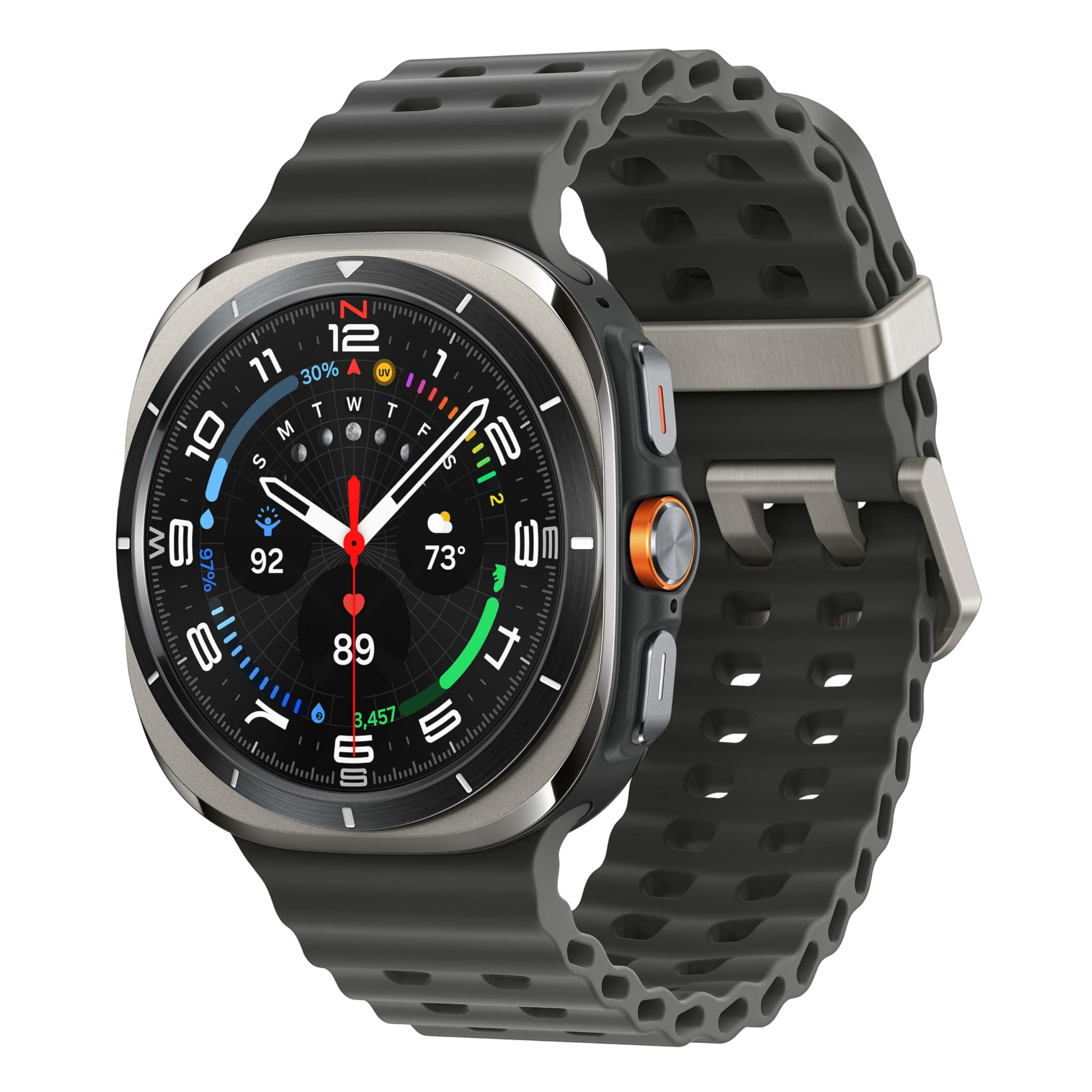
Samsung Galaxy Unpacked lands in four days — July 22 at 2PM BST from London. For wearable buyers, this is the biggest Samsung event of the year: Galaxy Glasses, Galaxy Watch 9, Galaxy Watch Ultra 2, and potentially the Galaxy Buds On open-ear earbuds will all be unveiled. Every spec has leaked. Every price is confirmed. Here is your complete pre-order playbook.
Galaxy Glasses
12MP camera, Gemini AI, Android XR, $379–$499. Audio-only — no display. Ships fall 2026.
Galaxy Watch Ultra 2
800mAh battery, 5G RedCap, AGEs sensors, Snapdragon Wear Elite. $699. Ships Aug 6.
Galaxy Watch 9
Same Snapdragon Wear Elite chip, Vitals AI dashboard, Heart Health Score. $349. Ships Aug 6.
Galaxy Glasses: Samsung's First Smart Eyewear
The Galaxy Glasses are Samsung and Google's answer to Meta Ray-Ban. Built on Android XR with Gemini AI as the primary interface, they feature a 12MP Sony IMX681 camera, photochromic lenses, stereo speakers, and weigh roughly 50 grams. The Qualcomm Snapdragon AR1 chip handles on-device processing.
Fashion matters here: Samsung partnered with Gentle Monster (bold, statement frames) and Warby Parker (classic, understated designs) to ensure the glasses don't look like tech prototypes. Pricing starts at $379, matching Meta Ray-Ban. The Korea Times reportsthat pricing strategy will be decisive against Meta's 84% market share.
Key limitation: No built-in display. Everything flows through audio — Gemini reads directions, identifies objects, translates conversations. A display model with micro-LED is planned for 2027 at $600–$900.
Galaxy Watch Ultra 2: Is the $699 Flagship Worth It?
The Galaxy Watch Ultra 2 is Samsung's most ambitious smartwatch ever. The Snapdragon Wear Elite 3nm chip delivers 5x the CPU performance of the original Ultra, while the 800mAh battery (35% larger) promises genuine multi-day battery life. The standout feature is three experimental health sensors — AGEs, antioxidant levels, and vascular load — that no other consumer smartwatch offers.
Other highlights: 5G RedCap in the US and South Korea for independent cellular connectivity, a 5,000-nit display, titanium casing, and Bluetooth 6.0. The catch? Those experimental sensors are not FDA-cleared and are labeled as wellness features, not medical devices.
Galaxy Watch 9: The Smart Value Pick?
Here is the sleeper of the lineup: the Galaxy Watch 9 gets the same Snapdragon Wear Elite chip as the Ultra 2. That means identical processing power, on-device AI capabilities, and Gemini integration at $349 — half the Ultra 2's price. The Vitals AI dashboard combines heart rate, HRV, respiratory rate, skin temperature, and SpO2 into a single health overview.
What you give up: the titanium case (aluminum instead), the 800mAh battery (325–445mAh depending on size), 5G RedCap (LTE only), and the experimental health sensors. For most buyers who don't need rugged titanium or bleeding-edge sensor experiments, the Watch 9 offers 90% of the Ultra 2 experience for 50% of the price.
How Do These Compare to Apple and Google Alternatives?
Samsung Unpacked doesn't happen in a vacuum. Here is how the incoming products compare:
- Galaxy Glasses ($379) vs Meta Ray-Ban ($379): Same price, same camera resolution. Galaxy Glasses win on AI (Gemini vs Meta AI) and ecosystem integration; Meta Ray-Ban wins on maturity and prescription lenses.
- Galaxy Watch Ultra 2 ($699) vs Apple Watch Ultra 3 ($640): Ultra 2 offers experimental health sensors and 5G; Apple offers FDA-cleared ECG and crash detection. The Apple Watch Ultra 4 arrives September with potential blood pressure monitoring.
- Galaxy Watch 9 ($349) vs Apple Watch Series 11 ($299): Apple is cheaper and has deeper health feature validation. Samsung counters with the Snapdragon Wear Elite chip and better Android integration.
- Galaxy Watch 9 ($349) vs Pixel Watch 3 ($247): Pixel Watch 3 is discounted and runs pure Wear OS/Fitbit. But the Pixel Watch 5 arrives August 12 — worth considering if you are in the Google ecosystem.
Pre-Order Strategy: What to Do Before July 22
Here is our step-by-step advice:
- 1. Reserve now: Samsung.com reservations lock in a $30 credit with no obligation to purchase.
- 2. Prepare your trade-in: Samsung offers up to $1,230 in total savings through device trade-ins. Factory reset your old watch or phone and have it ready.
- 3. Set a reminder: Pre-orders open immediately after the July 22 keynote at 9AM EDT / 6AM PDT / 2PM BST.
- 4. Decide in advance: First-window pre-orders ship August 6. Late orders may slip by weeks.
The Bottom Line
Samsung Unpacked July 22 is the most consequential Samsung wearable event in years. The Galaxy Glasses mark Samsung's entry into smart eyewear, the Watch Ultra 2 introduces sensors no other watch has, and the Watch 9 delivers flagship performance at a mid-range price. For detailed product comparisons, visit our smart glasses guide, smartwatch guide, and compare hub.
Related Articles
Frequently Asked Questions
- When is Samsung Unpacked July 2026 and how do I watch it?
- Samsung Unpacked takes place July 22, 2026 at 2PM BST (9AM EDT, 6AM PDT) from London. It will be livestreamed on Samsung.com, Samsung Newsroom, and Samsung's YouTube channel. Pre-orders open immediately after the keynote.
- How much will the Galaxy Watch Ultra 2 cost?
- The Galaxy Watch Ultra 2 is confirmed at $699, matching the original Galaxy Watch Ultra price. It ships August 6. Reserve now at Samsung.com for a $30 credit plus up to $1,230 in total savings through trade-in offers.
- Should I buy the Galaxy Watch 9 or Ultra 2?
- Both use the same Snapdragon Wear Elite 3nm chip, so performance is identical. Choose Ultra 2 ($699) for the 800mAh battery, 5G RedCap, titanium case, and experimental health sensors. Choose Watch 9 ($349) if you want Samsung's best at a lower price and don't need the rugged design.
- Do Samsung Galaxy Glasses have a display?
- No. The first-generation Galaxy Glasses are audio-only with no built-in display. A display model with micro-LED is planned for 2027 at $600 to $900. The current model uses Gemini AI voice interaction through audio output.
- Are Samsung Galaxy Glasses better than Meta Ray-Ban?
- Both have 12MP cameras and start around $379. Galaxy Glasses use Gemini AI on Android XR with deeper Google ecosystem integration. Meta Ray-Ban has a more mature app ecosystem, prescription lens options, and two generations of refinement. For Android users, Galaxy Glasses may be the better fit. For broad compatibility and proven hardware, Meta Ray-Ban wins.