Ray-Ban Meta Audio at $349: Camera-Free Smart Glasses Are Finally Here — Are They Worth Buying?
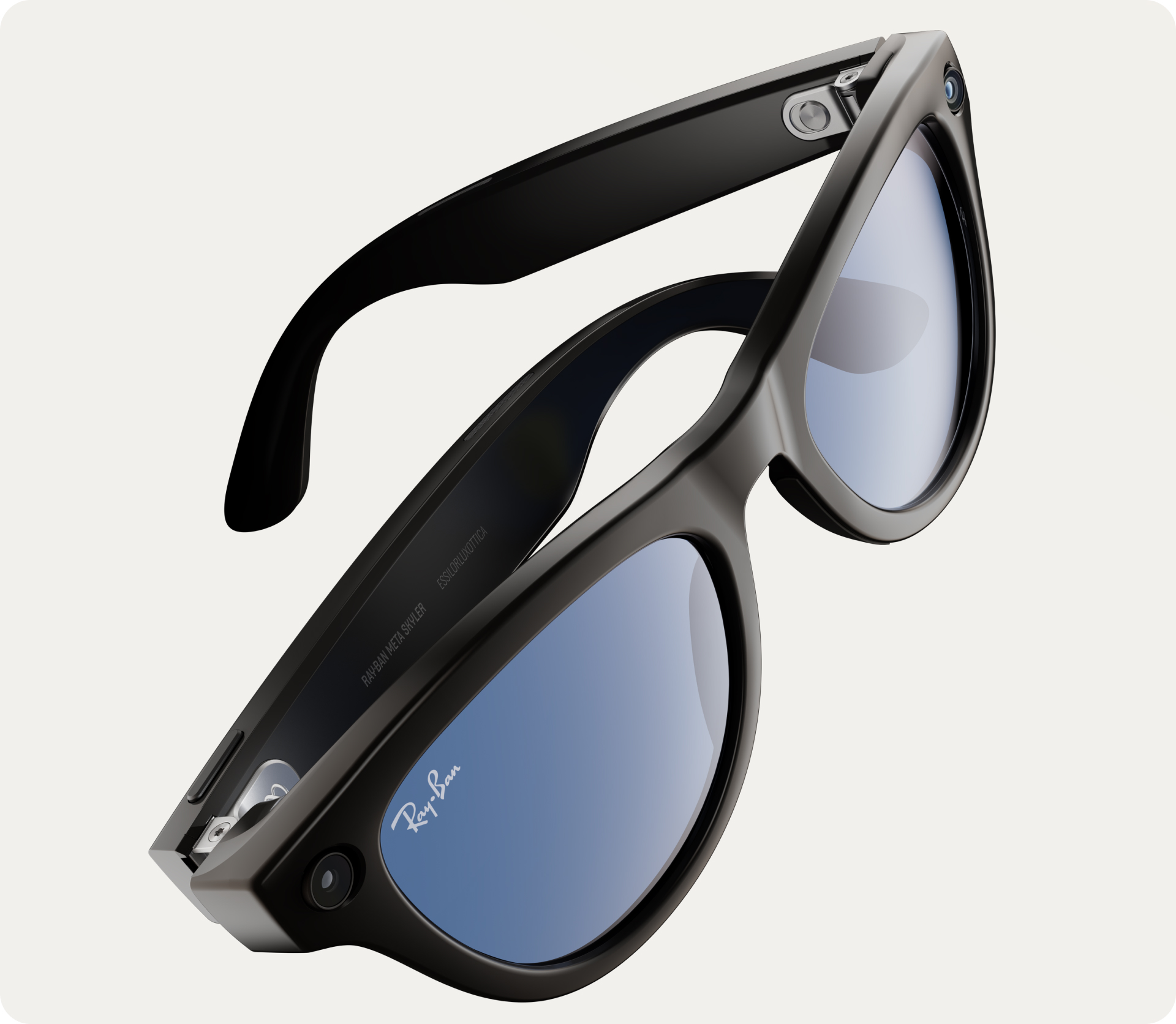
At Meta Connect 2026, Meta unveiled the Ray-Ban Meta Audio — internally codenamed "Luna" — a $349 pair of smart glasses that deliberately drops the camera. It is the clearest signal yet that Meta is listening to the growing backlash against wearable cameras, and it gives buyers a compelling new option: all the AI, audio, and style of the Ray-Ban Meta lineupwithout the privacy baggage. But is removing the camera a feature or a compromise? Let's break it down.
Price
$349 — $100 less than the $449 Gen 3 with camera. Preorders open now, ships October 13.
Battery
12 hours on a single charge plus 48 hours from the case. Three hours more than Gen 3's 9-hour rating.
Key Difference
No camera. Same Meta AI, same 6 microphones, same open-ear speakers. Just 43 grams on your face.
What Are Ray-Ban Meta Audio Glasses?
The Ray-Ban Meta Audio is Meta's first purpose-built camera-free smart glasses. At 43 grams, it weighs slightly less than the camera-equipped models and ships in two classic Ray-Ban frame styles — Clubmaster and Burbank — with 23 color and lens combinations. You get six microphones for clear voice pickup, open-ear speakers for music and calls, a dedicated Meta AI button, prescription lens support, professional-adjustable temple tips, and adjustable, swappable nose pads. Everything the Ray-Ban Meta Wayfarer offers, minus the lens on the front.
Battery life is where the trade-off pays dividends. Without a camera module drawing power, Meta has pushed the Ray-Ban Meta Audio to 12 hours of use on a single charge, with the case holding an additional 48 hours. Compare that to the 9-hour rating on the Gen 3 and you start to see the appeal: these are glasses you can wear from morning to night without worrying about a midday charge.
Why Did Meta Remove the Camera?
The short answer: because a meaningful number of potential buyers do not want one. Over the past year, the backlash against camera-equipped smart glasses has intensified. Cinemas and concert venues have started banning them. Nightclubs in several cities have posted "no smart glasses" policies. The phrase "pervert glasses" has appeared in mainstream headlines. Counterpoint Research flagged wearable camera unease as the single biggest obstacle to smart glasses growth in its 2026 mid-year report.
Meta clearly studied the data. The Ray-Ban Meta Audio lets the company expand its addressable market to buyers who want smart glasses for AI assistance, hands-free calls, and music — but who either do not want a camera themselves or work in environments where cameras are restricted. Think healthcare workers, teachers, corporate offices with security policies, or anyone who simply does not want the social friction of wearing a camera on their face.
Ray-Ban Meta Audio vs Gen 3: Which Should You Buy?
This is the central decision for most buyers, so let's be direct. The Ray-Ban Meta Gen 3 costs $449 and includes a camera that powers visual AI features: live translation of signs and menus, object identification, hands-free photo and video capture, and livestreaming to Instagram and Facebook. The Ray-Ban Meta Audio costs $349 and trades all of those visual features for a $100 savings, 3 extra hours of battery, and the freedom to wear your glasses without anyone wondering if you are recording them.
If you regularly use the camera on the current Gen 2 — taking photos, scanning documents, asking Meta AI to identify things in front of you — the Gen 3 at $449 is worth the premium. But if you are honest about how you actually use smart glasses, many buyers find that 90% of their usage is audio: listening to podcasts, taking calls, asking Meta AI questions by voice, and getting spoken directions. For that use case, the Ray-Ban Meta Audio gives you everything you need at a lower price with better battery life.
Who Should Buy Camera-Free Smart Glasses?
The Ray-Ban Meta Audio is not the only camera-free option in 2026. The Even Realities G2 offers a camera-free design with a micro-LED heads-up display at ~$599, while the Luna announcement has validated the camera-free segment as a real product category rather than a niche experiment.
Camera-free smart glasses make the most sense for three groups. First, privacy-conscious buyers who want AI and audio without the social stigma — you can wear the Meta Audio in a meeting, a gym, or a school pickup line without anyone thinking twice. Second, workplace users in environments where cameras are restricted or banned: hospitals, courtrooms, government offices, financial trading floors. Third, audio-first users who want a better alternative to earbuds — the open-ear design means you can hear your music and the world around you simultaneously, which is safer for commuting and more comfortable for all-day wear.
Is Now the Right Time to Pre-Order?
Preorders for the Ray-Ban Meta Audio are open now, with shipping starting October 13. At $349, the price is reasonable for what you get — this is not a first-generation experiment but a product built on the proven Ray-Ban Meta platform with the camera removed and the battery improved. Meta's track record with software updates on the existing Ray-Ban Meta line has been strong, and there is every reason to expect the Meta Audio will benefit from the same ongoing AI improvements.
Our recommendation:If you have been waiting for smart glasses that do not include a camera, the Ray-Ban Meta Audio is the most complete option at the most accessible price point. The Even Realities G2 adds a display but costs $250 more and has a less mature software ecosystem. The Gen 3 at $449 is the better choice only if you genuinely use visual AI features daily. For everyone else — and that is a larger group than Meta's previous lineup served — the Ray-Ban Meta Audio at $349 is the smart glasses to buy this fall.
Check current pricing on the Ray-Ban Meta price tracker and the Ray-Ban Meta Wayfarer price tracker, or compare models side by side to find the right fit.
Related Articles
Ray-Ban Meta Audio FAQ
Common questions about the Ray-Ban Meta Audio smart glasses
Quick answers to help you decide whether these camera-free smart glasses are right for you.
Does the Ray-Ban Meta Audio have a camera?
No. The Ray-Ban Meta Audio (codenamed Luna) is deliberately camera-free. It keeps the six microphones, open-ear speakers, and Meta AI button from the camera-equipped models but removes the camera entirely to address privacy concerns.
How much does the Ray-Ban Meta Audio cost?
The Ray-Ban Meta Audio starts at $349, which is $100 less than the $449 Ray-Ban Meta Gen 3 that includes a camera. Preorders are open now with shipping beginning October 13, 2026.
How long does the Ray-Ban Meta Audio battery last?
The Ray-Ban Meta Audio delivers up to 12 hours of battery life on a single charge, plus an additional 48 hours from the charging case. That is 3 hours more than the 9-hour battery on the camera-equipped Gen 3.
What styles does the Ray-Ban Meta Audio come in?
The Ray-Ban Meta Audio launches in two iconic Ray-Ban frame styles: Clubmaster and Burbank. There are 23 color and lens combinations available, and prescription lens support is included from launch.
Should I buy the Ray-Ban Meta Audio or the Gen 3 with a camera?
Buy the Ray-Ban Meta Audio ($349) if you want longer battery life, a lower price, and the freedom to wear smart glasses anywhere without privacy concerns. Buy the Gen 3 ($449) if you rely on the camera for photos, video, or visual AI features like live translation and object identification.