Apple Smart Glasses 2026: Four Frame Styles Confirmed — Should You Wait or Buy Now?
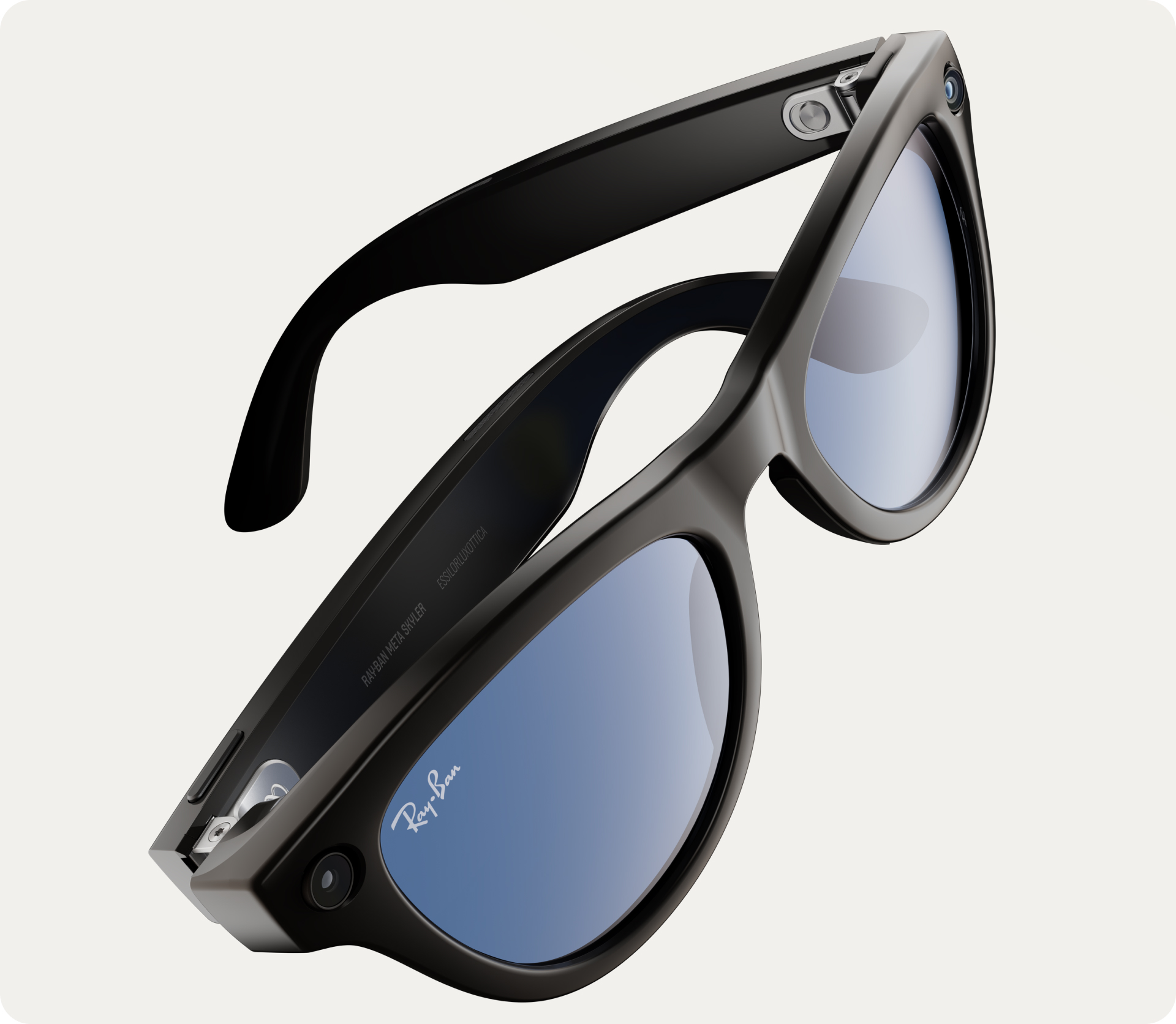
Apple is making its biggest move into everyday wearables since the Apple Watch. According to reports from Bloomberg and AppleInsider, the company is now testing four distinct frame styles for its first AI-powered smart glasses — with a late 2026 announcement and early 2027 retail availability looking increasingly likely. The question every smart glasses buyer needs to answer: should you wait, or buy what is available today?
Apple Timeline
Late 2026 announcement expected with early 2027 retail availability. Four acetate frame styles in black, ocean blue, and light brown.
Best Buy Now
Ray-Ban Meta at $379 on Amazon remains the top pick if you need smart glasses today. Proven, mature, and well-supported.
Market Context
Meta holds 72% of the smart glasses market. Samsung enters in July. Apple could reshape the competitive landscape entirely.
What Do We Know About Apple Smart Glasses?
Apple has been working on smart glasses for years, but the project accelerated after the company reportedly scrapped a cheaper Vision Air headset to focus on lightweight AI-first eyewear. Here is what the reporting tells us so far:
- Four frame styles made from premium acetate — a material that is more durable and luxurious than the plastic used by Meta and competitors
- Three colors: black, ocean blue, and light brown
- Vertically oriented oval cameras with surrounding indicator lights, different from Meta's circular design
- Built-in speakers and microphones for calls, music, and hands-free Siri interaction
- Apple Intelligence integration — real-time translation, object identification, and contextual AI help
- No in-lens display — all feedback is delivered through audio, similar to current Ray-Ban Meta glasses
This is part of what Bloomberg describes as a three-pronged AI wearable strategy: smart glasses, camera-equipped AirPods, and an AI pendant with microphones and cameras. Apple is betting that ambient AI — always listening, always seeing, always ready to help — is the next major computing paradigm after the smartphone.
How Do Apple Smart Glasses Compare to Ray-Ban Meta?
The Ray-Ban Meta Gen 2 has been the undisputed smart glasses leader since 2024. It offers a camera for photos and video, open-ear speakers, Meta AI for visual queries, and seamless integration with Instagram and Facebook. It starts at $379 and is available now in multiple frame styles.
Apple's glasses will compete on several fronts: premium materials (acetate vs. plastic), deeper AI integration (Apple Intelligence vs. Meta AI), and ecosystem lock-in (iPhone, AirPods, Apple Watch vs. Meta's social media ties). However, Apple will be a first-generation product, while Ray-Ban Meta is on its second generation with a large app library and established user base.
What About Samsung Galaxy AI Glasses?
Samsung is set to unveil its own Galaxy AI Glasses at Galaxy Unpacked in July 2026, partnering with Warby Parker and Gentle Monster for frame designs. Samsung will offer two models: a high-end pair with an in-lens AR display and a simpler everyday pair without a display. Both will run Android XR with Google Gemini AI. Read our full Samsung vs. Ray-Ban Meta comparison.
This means by early 2027, buyers could have three major choices: Meta's Ray-Ban line (established), Samsung's Galaxy AI Glasses (Android XR), and Apple's smart glasses (Apple Intelligence). Competition is good news for buyers — expect better features and competitive pricing across all three.
Should You Wait for Apple Smart Glasses or Buy Now?
Wait if:You are deep in the Apple ecosystem (iPhone, AirPods, Apple Watch), you value premium design and materials, and you can comfortably go 9 to 12 more months without smart glasses. Apple's integration with iMessage, Apple Music, and Apple Intelligence will likely be best-in-class for iPhone users.
Buy now if: You want smart glasses today, you do not want to be an early adopter of a first-generation Apple product, or you use Android. The Ray-Ban Meta at $379 is a proven, mature product. The Even Realities G2 is a privacy-focused alternative without cameras. For the best deal on previous-gen hardware, the Ray-Ban Meta Gen 1 is just $224 on Amazon.
What Does Apple's Entry Mean for the Smart Glasses Market?
Apple's entry is the single biggest event in smart glasses since Meta partnered with Ray-Ban. Global XR shipments grew 44.4% year-over-year in 2025, driven almost entirely by smart glasses rather than VR headsets. Meta currently holds 72.2% of the market, but Apple's brand power, retail distribution, and ecosystem integration could erode that lead quickly.
For buyers, this means more choice, better features, and likely lower prices as competition intensifies. For the industry, it validates smart glasses as a mainstream product category — not a niche gadget. Browse all options in our smart glasses reviews or use the compare tool to find the right pair for you.
Related Articles
Apple Smart Glasses FAQ
Common questions about Apple smart glasses in 2026
Quick answers to help you decide whether to wait for Apple or buy smart glasses today.
When will Apple smart glasses be released?
Apple is expected to announce smart glasses in late 2026 with sales beginning in early 2027. The company is testing four acetate frame styles with Apple Intelligence, cameras, and Siri integration.
Will Apple smart glasses have a display?
No. The first Apple smart glasses will not have an in-lens AR display. They will use audio feedback through built-in speakers, similar to the current Ray-Ban Meta glasses. Apple may add a display in a future generation.
How much will Apple smart glasses cost?
Apple has not announced pricing. Given the premium acetate materials and Apple Intelligence features, expect a price above the Ray-Ban Meta's $379 starting price — likely in the $499 to $699 range based on Apple's typical positioning.
Should I buy Ray-Ban Meta now or wait for Apple smart glasses?
If you need smart glasses today, the Ray-Ban Meta at $379 is the best option available. If you can wait 9 to 12 months and prefer the Apple ecosystem, waiting makes sense — but you will be buying a first-generation product with no track record.
What is the difference between Apple smart glasses and Apple Vision Pro?
Apple Vision Pro is a mixed-reality headset with spatial computing and an immersive display costing $3,499. Apple smart glasses are lightweight everyday eyewear with cameras, speakers, and AI — no headset, no immersive display, and likely a fraction of the price.